Tile Roofing in Tucson, AZ: Benefits, Types, and What to Expect
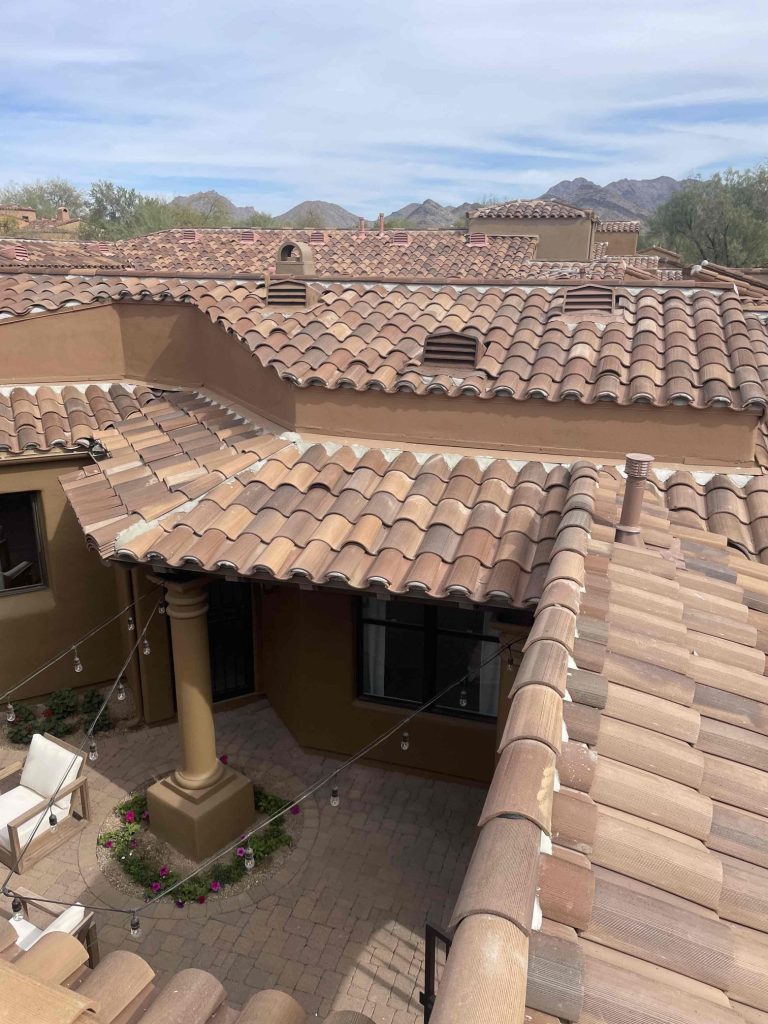
Tile roofing has been the dominant choice for Tucson homeowners for generations — and for good reason. Southern Arizona’s intense heat, high UV radiation, and monsoon season create conditions that push many roofing materials to their limits. Tile handles all of it exceptionally well, which is why it covers more Tucson homes than any other roofing material and why it continues to be the preferred choice for homeowners who want a roof that will last for decades without constant maintenance.
This guide covers everything Tucson homeowners need to know about tile roofing — including the types available, the genuine benefits, the honest considerations, the installation process, and what to look for in a contractor.
Why Tile Roofing Dominates the Tucson Market
Walk through any established Tucson neighborhood — Catalina Foothills, Civano, Rancho Sahuarita, or the older subdivisions in the Eastside and Northwest — and tile roofing is everywhere. That’s not an accident. Tile has become the standard in Southern Arizona because it genuinely outperforms other materials in this specific climate.
- UV resistance: Clay and concrete tile are made from inorganic materials that don’t degrade under UV radiation the way asphalt shingles do. While asphalt shingles in Tucson typically last 15 to 20 years before UV exposure breaks them down, tile roofs regularly last 40 to 50 years or more under the same conditions.
- Heat performance: Tile’s profile — whether barrel-style or flat — creates an air gap between the tile surface and the roof deck. This natural ventilation reduces heat transfer into the attic, helping keep home temperatures lower during Tucson’s long, hot summers and reducing the load on air conditioning systems.
- Monsoon durability: Properly installed tile roofing handles the intense rainfall and high winds of Tucson’s monsoon season without the granule loss and surface degradation that storm events cause on asphalt shingles.
- Aesthetic compatibility: Tile roofing complements Tucson’s dominant architectural styles — Spanish Colonial, Territorial, Southwestern Contemporary, and Mediterranean — in a way that no other material matches. It’s why most HOAs in the area specify tile as a required or preferred roofing material.
- Long-term value: A tile roof installed today may be the last roof a homeowner ever installs on their home. That longevity translates to real long-term value compared to materials that require replacement every 15 to 20 years.
Types of Tile Roofing Available for Tucson Homes
Not all tile roofing is the same. There are several distinct types, each with different aesthetics, performance characteristics, and installation requirements that Tucson homeowners should understand before making a selection.
Clay Tile
Clay tile is the original and most traditional tile roofing material — and the one most closely associated with Tucson’s Spanish Colonial and Southwestern architectural heritage. It is made from natural clay fired at high temperatures, which gives it exceptional durability, natural color permanence, and outstanding UV and heat resistance.
Clay tile is heavier than concrete tile and requires a roof structure capable of supporting the additional load. It also carries a higher upfront investment than concrete alternatives, but its natural material composition and color stability — clay tile doesn’t fade the way concrete can over time — make it a preferred choice for higher-end applications and historically sensitive neighborhoods.
Concrete Tile

Concrete tile is the most widely installed tile roofing material in Tucson and throughout Southern Arizona. It is manufactured from a mixture of portland cement, sand, and water — molded into a wide range of profiles and available in an extensive palette of colors and finishes.
Concrete tile performs very well in Tucson’s climate and offers a more accessible entry point than clay. One consideration specific to Southern Arizona: concrete tile can experience some color fading over time under intense UV exposure. Sealed or coated concrete tiles and lighter base colors tend to maintain their appearance better over the long term in this market.
Barrel Tile vs. Flat Tile Profiles
Beyond material, tile roofing comes in two primary profiles:
- Barrel tile (S-tile or Mission tile): The classic curved profile associated with Spanish Colonial architecture. The raised curve creates the most natural air gap between tile and deck — maximizing the passive ventilation benefit that makes tile an excellent thermal performer in Tucson’s heat.
- Flat tile (Low profile or Slate profile): A lower-relief tile that offers a more contemporary or Mediterranean look. It installs at a lower profile than barrel tile and works well on homes where a cleaner roofline is desired. Flat tile still outperforms asphalt in UV resistance and longevity but provides slightly less passive ventilation benefit than barrel configurations.
The Real Benefits of Tile Roofing in Tucson’s Climate
Here is a closer look at the performance advantages that make tile roofing the right long-term choice for most Tucson homeowners:
- Exceptional lifespan: Clay tile can last 50 years or more. Concrete tile regularly achieves 30 to 50 years under Tucson’s conditions with proper maintenance. Both significantly outlast asphalt shingles in this UV-intense environment.
- Energy efficiency: The air gap created by tile’s profile reduces attic heat gain during summer months. According to the U.S. Department of Energy, properly ventilated roofing systems can meaningfully reduce cooling loads in hot climates — a real financial benefit in Tucson where air conditioning runs for the majority of the year.
- Low maintenance: Tile roofing requires very little ongoing maintenance compared to asphalt. No granule loss, no cracking from UV exposure, no regular replacement of surface material. The primary maintenance item is periodic inspection and replacement of the underlayment, which typically needs attention every 20 to 30 years.
- Fire resistance: Clay and concrete tile carry a Class A fire rating — the highest available — making them an excellent choice in Tucson’s fire-adjacent desert environment.
- Wind resistance: Properly installed tile roofing is highly wind resistant and handles the high-wind events of monsoon season significantly better than lightweight roofing alternatives.
- Home value: Tile roofing is a recognized value driver in the Tucson real estate market. Buyers understand what a tile roof means — longevity, low maintenance, and a home that won’t need a new roof for decades — and that understanding is reflected in sale prices.
Honest Considerations Before Choosing Tile Roofing
Tile roofing is the right choice for most Tucson homes — but there are genuine considerations worth understanding before making the decision.
- Structural load requirements: Both clay and concrete tile are significantly heavier than asphalt shingles. Before installing tile on a home that previously had asphalt, a structural assessment is necessary to confirm the roof framing can support the additional weight. Many Tucson homes built specifically for tile are already engineered for it, but conversions from asphalt require verification.
- Underlayment maintenance: The tiles themselves are extremely durable, but the underlayment beneath them has a finite lifespan — typically 20 to 30 years. When underlayment fails, leaks develop even when the tiles above look perfectly intact. Periodic underlayment inspection is an important part of maintaining a tile roofing system in Tucson.
- Walking on tile: Tile is not designed to be walked on without care. Foot traffic directly on tiles — during maintenance, gutter cleaning, or HVAC service — can crack tiles and compromise the system. Homeowners should ensure any contractor or service provider working on or near the roof understands how to navigate tile safely.
- Higher upfront investment: Tile roofing carries a higher upfront cost than asphalt. However, when evaluated over the full lifespan of the system — factoring in the frequency of asphalt replacement in Tucson’s climate — tile’s long-term economics are often more favorable.
What the Tile Roof Installation Process Looks Like
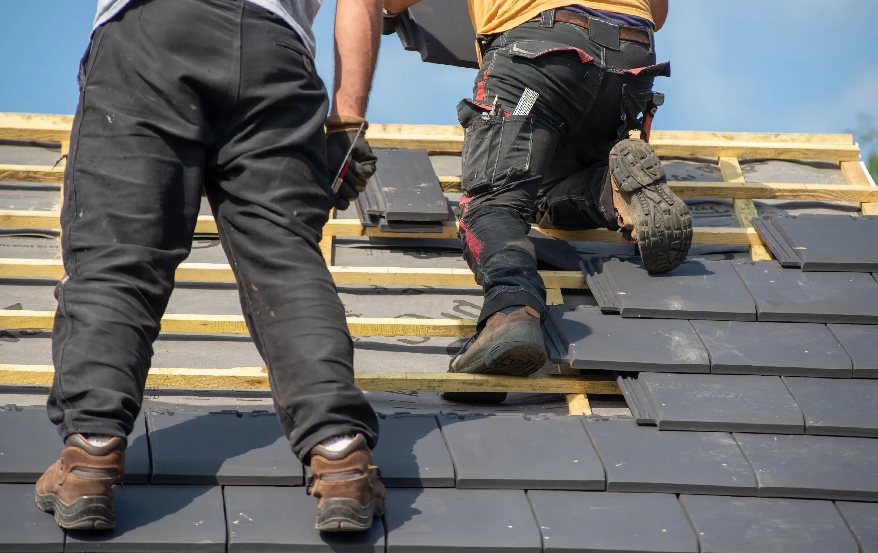
Understanding what goes into a quality tile roof installation helps Tucson homeowners evaluate contractors and ensure the work is done correctly from the start.
Structural Assessment and Preparation
Before installation begins, the contractor confirms that the roof structure can support the weight of the selected tile system. Any compromised decking is identified and replaced. For homes converting from asphalt, a structural engineer’s assessment may be required.
Underlayment Installation
The underlayment system is the foundation of a quality tile roof installation. In Tucson’s climate, a high-quality synthetic underlayment rated for desert UV exposure and heat is essential. Proper underlayment installation — including overlap, sealing at penetrations, and ice and water shield at eaves and valleys — directly determines how well the system performs over its life.
Battens and Tile Setting
On most tile installations, horizontal battens are installed over the underlayment to provide the setting surface for the tiles. Tiles are then set and fastened according to manufacturer specifications and local building code — including wind uplift requirements specific to Tucson and Pima County.
Flashing, Ridge, and Hip Details
All penetrations — vents, pipes, skylights, and chimneys — are flashed and sealed. Ridge and hip tiles are set and mortared or mechanically fastened per manufacturer requirements. These details are critical to long-term performance and are where quality separates from shortcuts.
Final Inspection and Documentation
A professional installation concludes with a full inspection of the completed system and documentation of the warranty coverage — both manufacturer and workmanship.
What to Look for in a Tile Roofing Contractor in Tucson
Tile roofing installation requires specialized expertise that not every contractor has. Here’s what to verify before hiring:
- Arizona ROC license: Verify the contractor is licensed through the Arizona Registrar of Contractors before signing anything.
- Demonstrated tile experience in Tucson: Ask specifically how many tile roof installations and underlayment replacement projects the contractor has completed in the Tucson area. Tile installation requires experience that general roofing contractors may not have.
- Knowledge of underlayment systems: A qualified tile roofing contractor should be able to speak specifically about underlayment selection, installation methods, and lifespan expectations for Tucson’s UV and heat environment.
- Manufacturer certifications: Certified contractors can offer enhanced warranty coverage on both materials and workmanship. Ask what certifications they hold.
- Written estimate with full scope: The estimate should specify tile type, profile, color, underlayment system, flashing details, and warranty terms — not just a total number.
Schedule a Free Tile Roofing Consultation in Tucson, AZ
Whether you’re replacing an aging tile roof, converting from asphalt, or dealing with a tile underlayment failure, Sunvek has the experience and expertise to guide you through the process and deliver a roofing system built to perform in Southern Arizona’s demanding climate.
We’ve been installing and repairing tile roofing throughout Tucson for decades. Contact us today to schedule your free consultation and get honest answers about what your home needs.