Why Winter Is One of the Best Times for Roof Replacement in Arizona
Many homeowners assume that roofing season in Arizona starts in spring and ends in fall. After all, winter feels like an “off season” for construction in most parts of the country. But in Arizona, that assumption doesn’t hold up.
In reality, winter is often one of the best—and smartest—times to schedule a roof replacement. Cooler temperatures, more stable weather, and better working conditions can actually improve installation quality and reduce stress for homeowners.
If your roof is aging, leaking, or nearing the end of its life, waiting for summer may not be the best move. Here’s why winter roofing in Arizona makes more sense than many people realize.

Arizona Winters Are Ideal for Roofing Work
When people hear “winter roofing,” they often picture snow, freezing temperatures, and constant delays. That may be true in colder climates, but Arizona winters are entirely different.
In most parts of the state—especially Phoenix, Mesa, and the East Valley—winter daytime temperatures typically range from the 50s to 70s. These conditions are not only comfortable for homeowners, but ideal for roofing crews.
Unlike summer, where roof surface temperatures can exceed 150°F, winter provides a safer, more controlled environment for installation. Materials handle better, adhesives cure more predictably, and crews can work efficiently without heat-related slowdowns.
Better Installation Quality in Cooler Temperatures
Roofing materials are sensitive to temperature, especially asphalt-based products.
During extreme summer heat, shingles can become overly soft and pliable, increasing the risk of scuffing, tearing, or granule loss during installation. Sealants may cure too quickly, reducing their effectiveness over time.
In winter, materials remain more stable. Shingles lay flatter, sealants cure at a controlled rate, and installers can take their time without battling extreme heat. This often leads to cleaner workmanship and longer-lasting results.
For tile roofs, underlayment installation also benefits from cooler conditions. Crews can focus on precision without rushing to beat midday heat, which is especially important for long-term waterproofing.
Reduced Risk of Weather Delays
Arizona’s most unpredictable weather typically occurs during monsoon season, not winter.
Summer storms bring sudden heavy rain, high winds, and lightning—conditions that can delay projects, expose homes during tear-offs, and increase scheduling uncertainty.
Winter weather is far more stable. Rain is infrequent, storms are usually mild, and forecast windows are easier to plan around. This consistency allows roofing projects to start and finish on schedule with fewer interruptions.
For homeowners, that means less time worrying about exposed roofs and fewer last-minute changes.

Winter Is Easier on Your Home and Property
Roof replacement is a major project, but winter conditions make it more manageable for homeowners.
During summer, roofing work can dramatically increase indoor temperatures, especially during tear-off phases. Attics heat up quickly, HVAC systems work harder, and homes can become uncomfortable.
In winter, indoor temperatures are easier to control. Your HVAC system isn’t under extreme strain, and the overall impact on daily life is reduced.
Landscaping also tends to fare better. Cooler weather is less stressful on plants, and winter yards often recover faster from foot traffic and equipment use.
More Scheduling Flexibility
Spring and summer are peak roofing seasons in Arizona. Demand increases rapidly after winter rains and monsoon storms, which can lead to longer wait times.
Winter often provides more flexibility in scheduling. Homeowners can secure preferred start dates and avoid the rush that comes later in the year.
This flexibility also allows more time for planning—choosing materials, reviewing options, and coordinating HOA approvals without feeling pressured by urgent leaks or storm damage.
Addressing Problems Before Monsoon Season
One of the biggest advantages of winter roof replacement is timing.
Monsoon season puts tremendous stress on roofs. Heavy rain, wind-driven moisture, and debris expose weak points that may not be obvious during dry months.
Replacing a roof in winter ensures your home is fully protected before storm season arrives. Instead of reacting to leaks mid-summer, you can enter monsoon season with confidence.
This proactive approach often saves homeowners money by preventing interior water damage and emergency repairs.
Winter Is Ideal for Aging or Problematic Roofs
If your roof is already showing signs of failure, waiting until summer can be risky.
Small leaks often worsen during winter rains. Temporary repairs may hold for a short time, but underlying issues rarely improve on their own.
Addressing these problems in winter allows for controlled, planned replacement instead of emergency decisions later. It also gives contractors the ability to fully assess and correct underlying issues without storm pressure.

Tile Roofs and Winter Replacement
Winter is an excellent time for tile roof projects, especially underlayment replacements.
Tile systems require careful removal, staging, and reinstallation. Cooler weather reduces stress on tiles and allows crews to handle them more carefully, minimizing breakage.
Underlayment materials also perform well during winter installation, curing consistently and providing long-term waterproofing before summer heat returns.
For many Arizona homeowners, winter tile roof work offers the best balance of efficiency and quality.

Flat and Commercial Roofs Benefit from Winter Work
Commercial and flat roofing systems also benefit from winter replacement.
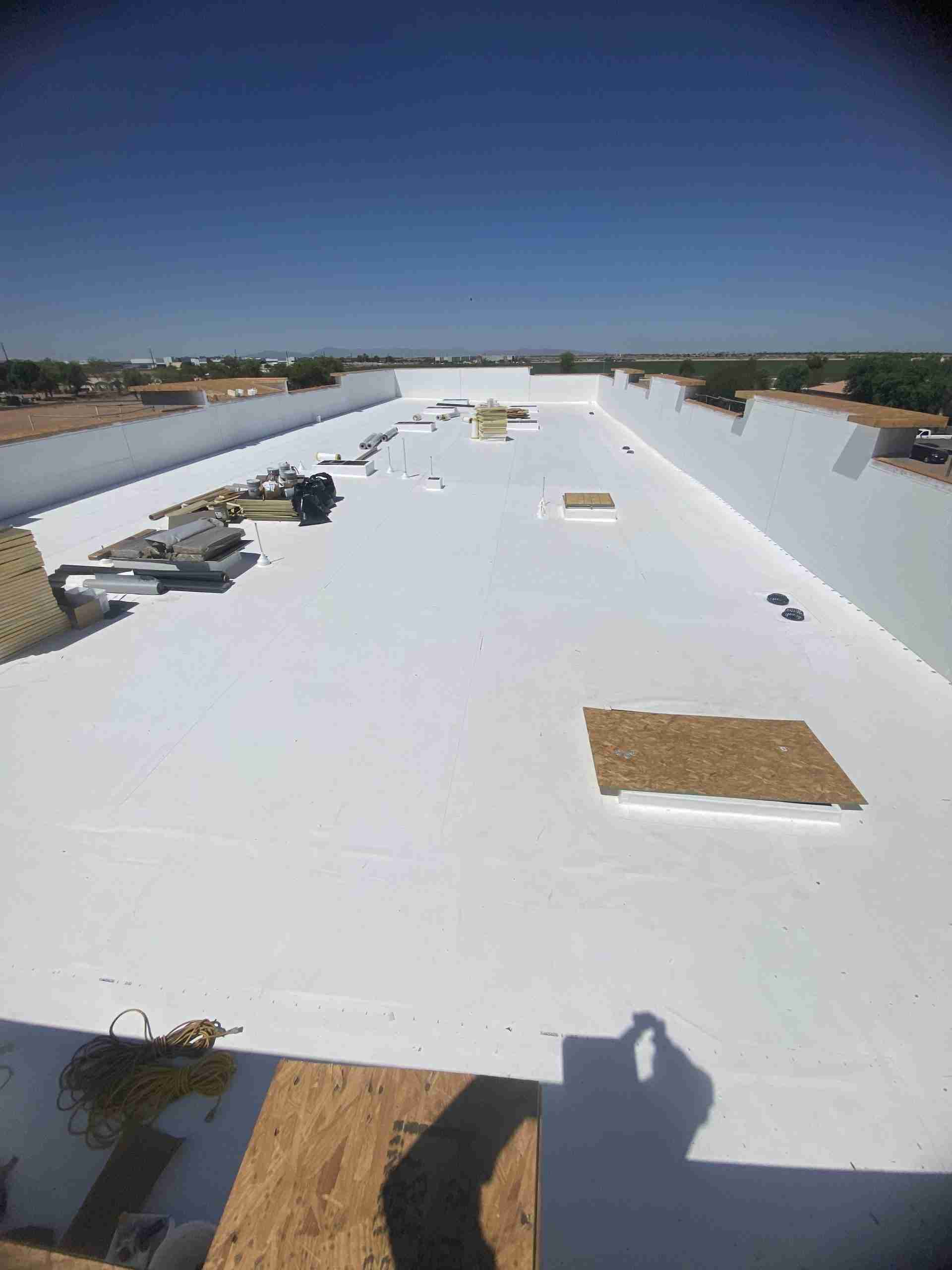
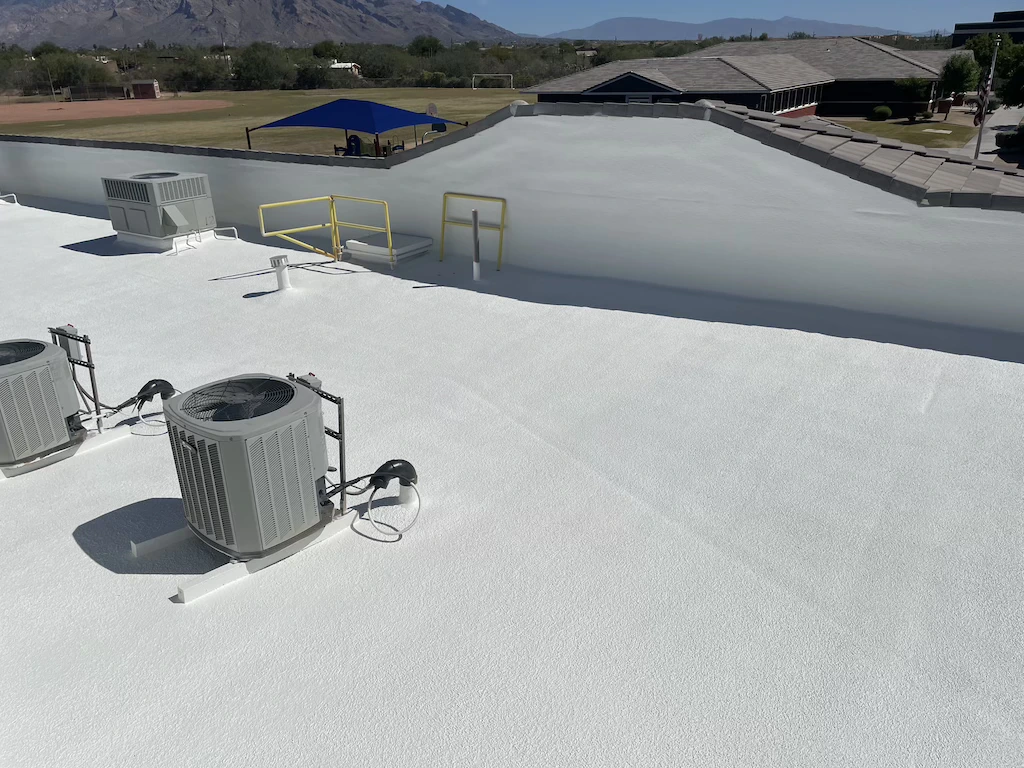
Membranes such as TPO and modified bitumen install more predictably in moderate temperatures. Foam roofing applications benefit from controlled curing conditions and reduced thermal expansion.
For business owners and property managers, winter projects often mean less disruption. Summer heat can slow crews and extend project timelines, while winter allows for steadier progress.

Cost Considerations and Long-Term Value
While pricing depends on many factors, winter roof replacement can provide better overall value.
Projects completed under optimal conditions are less likely to experience installation-related issues later. That translates to fewer repairs, longer service life, and stronger long-term performance.
Planning ahead also reduces the risk of emergency work, which is often more expensive and stressful.
Common Winter Roofing Myths in Arizona
“It’s too cold to replace a roof in winter.”
In Arizona, winter temperatures are well within acceptable ranges for roofing materials and installation.
“Roofing should wait until spring.”
Waiting often leads to scheduling congestion and increases the risk of storm-related damage.
“Winter installations don’t last as long.”
In reality, proper winter installations often outperform summer installs due to better working conditions.
When Winter Roofing Makes the Most Sense
Winter is especially ideal if:
- Your roof is over 15–20 years old
- You’ve experienced recurring leaks
- You want to prepare for monsoon season
- You’re planning a tile underlayment replacement
- You want more scheduling flexibility
Every roof is different, but winter provides a unique window of opportunity for Arizona homeowners.
Final Thoughts: A Smarter Season to Replace Your Roof
In Arizona, winter isn’t an off season for roofing—it’s a strategic advantage.
Cooler temperatures, predictable weather, improved installation quality, and better scheduling flexibility make winter one of the best times to replace a roof.
Rather than waiting for problems to worsen or competing for summer schedules, proactive homeowners use winter to protect their investment and prepare for the seasons ahead.
If your roof is nearing the end of its lifespan, winter may be the perfect time to take action with confidence.