Roof Replacement in Tucson, AZ: What Homeowners Should Expect

Replacing a roof is one of the largest home improvement investments a Tucson homeowner will ever make. It’s also one of the most important. Your roof protects everything beneath it — and in Southern Arizona’s demanding climate, a failing roof doesn’t just mean a leak. It can mean structural damage, mold, and skyrocketing energy bills.
Whether your roof has reached the end of its lifespan, sustained storm damage, or your insurance company has flagged it for replacement, this guide walks you through exactly what to expect — from the first inspection to the final cleanup.
Why Tucson’s Climate Is Harder on Roofs Than Most Cities
Tucson’s climate is unforgiving on roofing systems. Understanding what your roof deals with year-round helps explain why regular inspection and timely replacement matter so much here.
- Extreme heat: Tucson regularly sees summer temperatures above 100°F. Prolonged heat causes roofing materials to expand, contract, and degrade faster than in moderate climates.
- Intense UV radiation: Southern Arizona receives some of the highest UV exposure in the country. UV breaks down roofing materials at the molecular level, accelerating granule loss on asphalt shingles and oxidation on other systems.
- Monsoon season: From June through September, Tucson’s monsoon season delivers heavy rain, high winds, hail, and blowing debris — all in a short, intense window. Roofs that are already compromised rarely survive monsoon season without developing leaks.
- Dust storms: Haboobs carry abrasive particulates that scour roofing surfaces and clog gutters and drainage systems over time.
- Temperature swings: Despite the heat, Tucson’s desert nights and winter months bring significant temperature drops. The daily and seasonal expansion and contraction of roofing materials stresses seams, flashing, and fasteners over time.
How Long Should a Roof Last in Tucson, AZ?
Roof lifespan in Tucson is shorter than national averages due to the climate conditions above. Here’s what homeowners can generally expect:
- Asphalt shingles: 15 to 20 years in Tucson’s heat and UV exposure — compared to 20 to 25 years in more moderate climates
- Tile roofing (clay or concrete): 30 to 50 years — one of the most popular choices in Southern Arizona because of its heat resistance
- Metal roofing: 40 to 60 years — extremely well suited to Tucson’s climate with proper installation
- Foam roofing (SPF): 20 to 30 years with proper maintenance and recoating every 5 to 10 years
If your asphalt shingle roof is approaching 15 years old in Tucson, it’s worth scheduling an inspection even if you haven’t noticed any visible problems. Deterioration in Southern Arizona often happens beneath the surface before leaks appear.
7 Signs It’s Time to Replace Your Roof in Tucson

Not sure whether you need a repair or a full replacement? These are the signs that point to replacement rather than a patch:
- Your roof is 15 to 20 years old. Asphalt shingle roofs in Tucson are approaching the end of their functional life at this point regardless of appearance.
- Widespread granule loss. If your gutters are full of granules or large sections of shingles look worn and faded, the protective layer is gone and the shingles are no longer doing their job.
- Curling, cracking, or brittle shingles. These are signs of advanced UV and heat degradation that can’t be reversed with repairs.
- Multiple leaks or recurring leaks. If you’ve had the same area repaired more than once or leaks are appearing in multiple spots, the system has failed.
- Soft or rotted decking. When moisture has penetrated to the decking beneath the shingles, replacement is almost always the right call.
- Your insurance company has flagged the roof. Many Tucson homeowners receive notices from their insurers requiring proof of roof replacement to maintain coverage. This is increasingly common on roofs over 15 years old in Arizona.
- Rising energy bills. A compromised roof with degraded insulation allows heat to penetrate the attic, forcing your AC to work harder during Tucson’s long summers.
The Most Popular Roofing Materials for Tucson Homes
Choosing the right material for your replacement is one of the most important decisions you’ll make. Here’s how the most common options perform in Southern Arizona’s climate:
Tile Roofing — Clay and Concrete
Tile roofing is the most popular choice for Tucson homeowners — and for good reason. Clay and concrete tiles are naturally heat-resistant, provide excellent airflow beneath the tiles, and complement the Southwestern architectural style that defines the region. They are heavy, so your roof structure must be able to support the load, but when properly installed they can last 40 to 50 years or more.
Metal Roofing

Metal roofing has grown significantly in popularity across Tucson in recent years. It reflects solar heat rather than absorbing it, which can meaningfully reduce cooling costs during the summer. According to the U.S. Department of Energy, metal roofs can cut cooling costs by up to 25% in hot climates. Metal is also highly wind and hail resistant — two important factors given Tucson’s monsoon season.
Asphalt Shingles
Asphalt shingles remain the most affordable option and are widely available in a range of colors and styles. They perform adequately in Tucson but have the shortest lifespan of the major roofing options due to UV and heat degradation. If budget is the primary concern, asphalt shingles are a viable choice — but homeowners should factor in the likelihood of replacement in 15 to 20 years.
Foam Roofing (SPF)
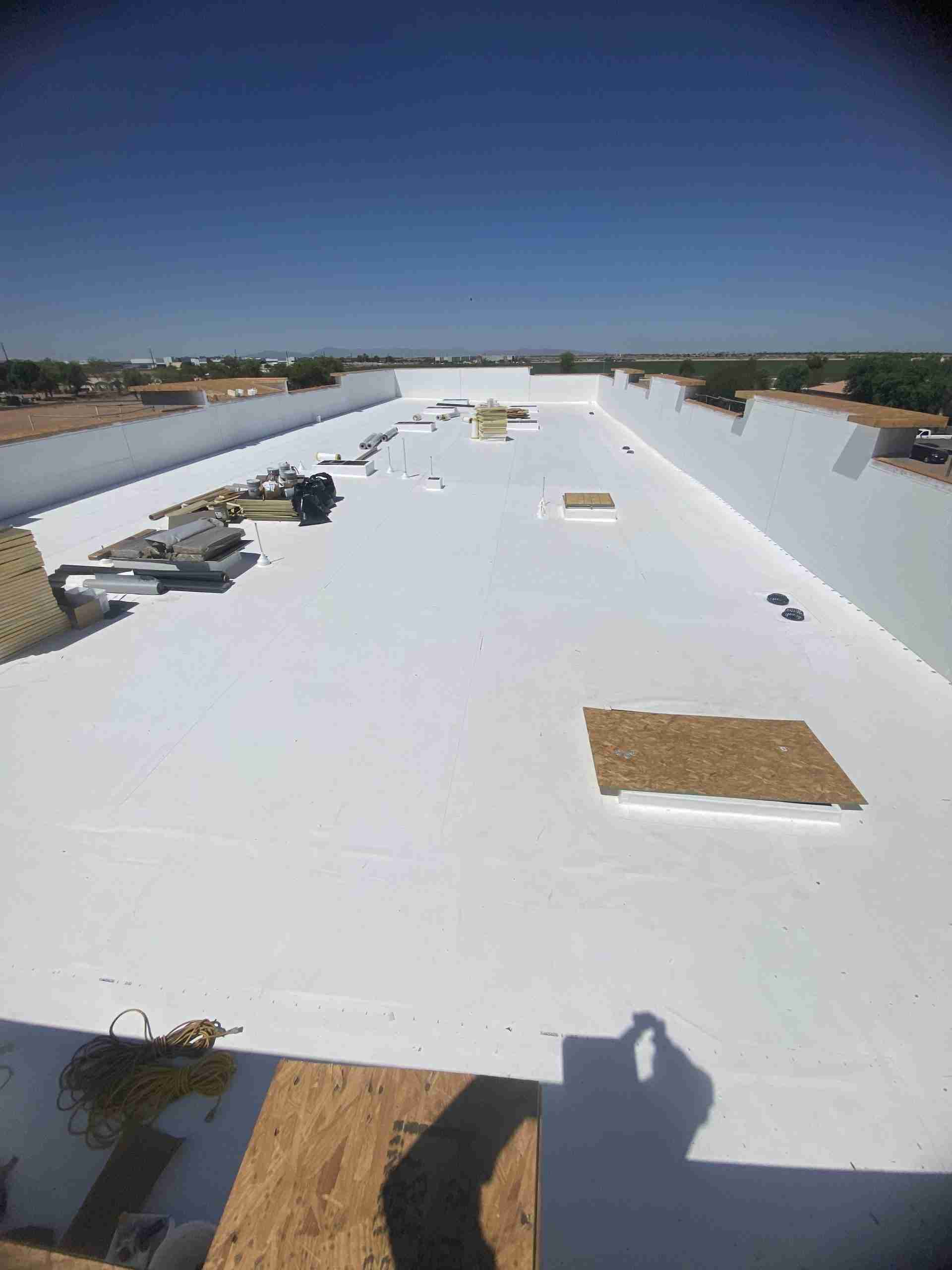
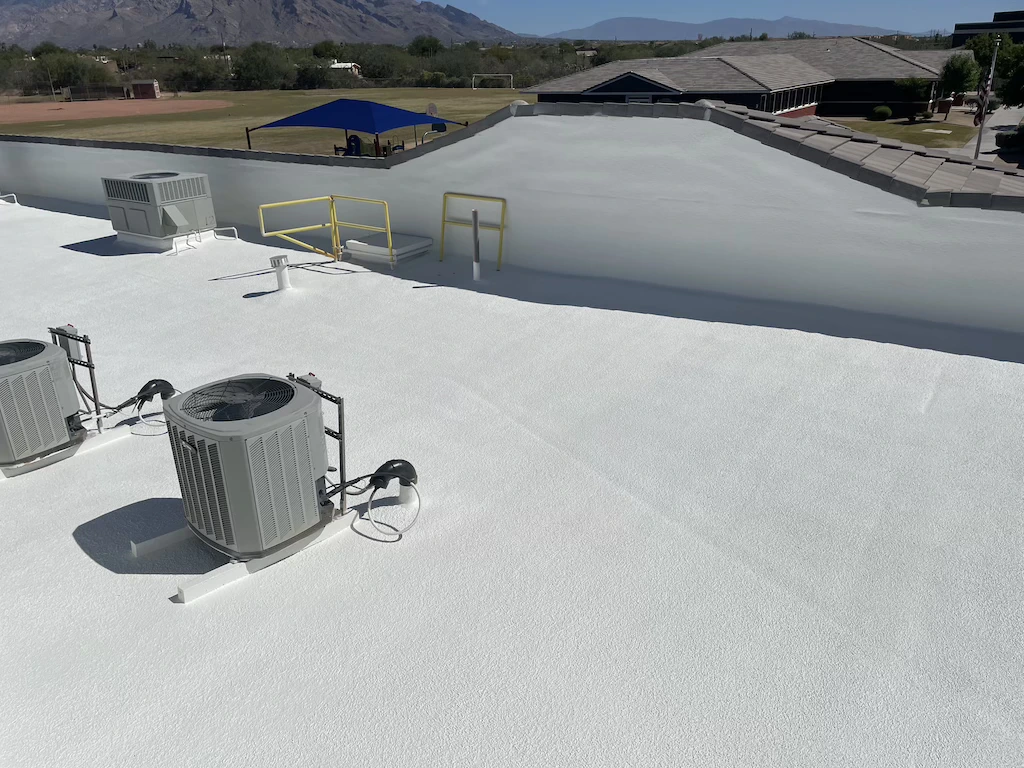
Spray polyurethane foam roofing is unique to desert markets like Tucson and Phoenix. It creates a seamless, insulating surface that performs exceptionally well on flat and low-slope roofs. Foam roofing requires periodic recoating to maintain its waterproof surface but offers outstanding energy efficiency and longevity when properly maintained.
What the Roof Replacement Process Looks Like in Tucson
If you’ve never been through a roof replacement before, knowing what to expect makes the process far less stressful. Here’s how a professional roof replacement in Tucson typically unfolds:
Step 1: Inspection and Estimate
A qualified roofing contractor will inspect your current roof, assess its condition, measure the square footage, and identify any issues with the decking or underlying structure. You’ll receive a detailed written estimate outlining the scope of work, materials, timeline, and cost.
Step 2: Material Selection
You’ll choose your roofing material, product line, and color. A good contractor will walk you through your options with honest recommendations based on your home’s structure, your budget, and Tucson’s climate conditions.
Step 3: Tear-Off and Decking Inspection
The existing roofing system is removed down to the decking. Once the old material is stripped, the contractor inspects the decking for soft spots, rot, or moisture damage. Any compromised decking is replaced before installation begins.
Step 4: Installation
The new roofing system is installed according to manufacturer specifications and local building code requirements. This includes underlayment, flashing, drip edge, ventilation components, and the primary roofing material.
Step 5: Cleanup and Final Inspection
A professional crew will clean up all debris, perform a magnetic sweep for nails, and conduct a final inspection of the completed installation. You should receive documentation of the completed work and warranty information before the crew leaves.
Does Homeowners Insurance Cover Roof Replacement in Tucson?
Whether your insurance covers roof replacement depends on the cause of the damage and your policy terms. In general:
- Storm damage — wind, hail, and monsoon-related damage — is typically covered under a standard homeowners policy
- Age-related wear and deterioration is generally not covered — this is considered maintenance, not a covered loss
- Insurance-required replacement due to age or condition is the homeowner’s responsibility
According to the Insurance Information Institute, reviewing your policy’s roof coverage terms before filing a claim is important — especially in Arizona where many insurers have updated their roof coverage language in recent years.
If you believe your roof damage is storm-related, document it thoroughly with photos and contact your insurance company before beginning any repairs or replacement.
How to Choose the Right Roofing Contractor in Tucson, AZ
Tucson has no shortage of roofing contractors — but quality varies significantly. Here’s what to look for before signing a contract:
- Arizona ROC license: Verify the contractor is licensed through the Arizona Registrar of Contractors. Never hire an unlicensed contractor for a roof replacement.
- General liability and workers’ comp insurance: Ask for certificates of insurance and verify they are active before work begins.
- Manufacturer certification: Certified contractors can offer enhanced warranties that non-certified contractors cannot. Ask specifically what certifications the contractor holds.
- Local references: Ask for references from recent Tucson-area customers and follow up. A strong local reputation is one of the most reliable indicators of a trustworthy contractor.
- Detailed written estimate: A professional contractor will provide a written estimate that specifies materials, scope, timeline, and warranty — not just a total number.
Schedule a Free Roof Replacement Estimate in Tucson, AZ

If your Tucson home is showing signs of roof deterioration — or you simply haven’t had an inspection in a few years — the best first step is a professional assessment from a licensed local contractor.
Sunvek has been serving Tucson and Southern Arizona homeowners with expert roofing installations, honest inspections, and industry-leading warranty coverage. Contact us today to schedule your free estimate and find out exactly what your roof needs.