How Long Does a Roof Last
Factors that Affect the Life of a Roof System
Roof life is determined by a number of factors, including materials, slope, exposure and installation.
This question is routinely posed to our Roof Consultants. The answer – “It depends”. This seems like a somewhat nebulous answer, but let’s consider the factors that affect the life of a roof system. These factors include:
- Roof slope – is it flat, somewhat sloped or very steep
- Material – is it shingle, tile, metal, slate, wood shake
- Exposure – is the roof an east-facing slope, north, west, south
- Installation – was the installer a careful professional or an inexperienced novice
Each type of roof system has a typical service life. However, the service life can be significantly affected by the quality of materials used and the care with which they are installed. Building codes include minimum acceptable standards. Manufacturers produce a range of products which meet or exceed the minimum standards, and property owners can select from the range of available options.
Typical Roof Life by Roofing System
In general, if following typical roofing installation techniques and using standard materials, roof durations should be within the following ranges:
- Shingle – 20-25 years
- Tile – 20-30 years
- Cedar shake – 30 years
- Slate – 35 years
- Metal – 20-40 years
- Roll roofing (cap sheet) – 10-15 years
- TPO, EPDM, PVC – 20 years
- Torch-down – 25-30 years
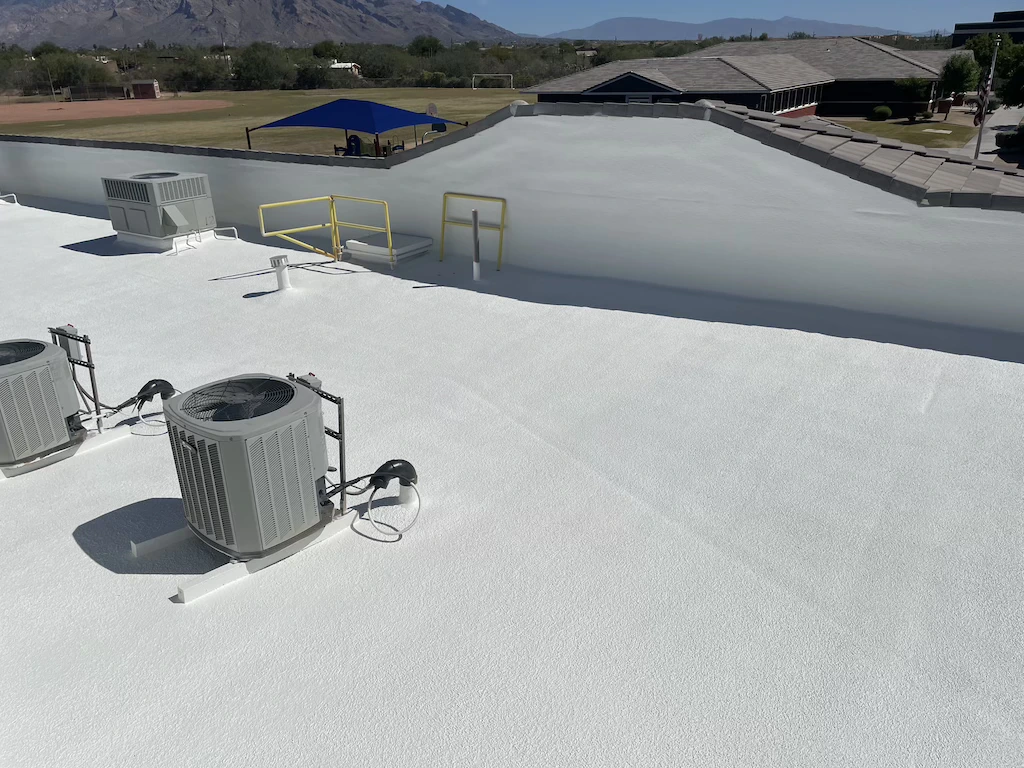
- Spray polyurethane foam – intended to be permanent, if maintained
Variables that Affect Roof Service Life
Underlayment
For any type of sloped roof system (shingle, tile, shake, slate, metal), the underlayment installed can have a significant effect on service life. A higher-quality underlayment will block water entry for an extended period of time, resulting in a longer service life. Something so slight as material profile can affect service life. For example, a flat concrete tile permits less water beneath it than a 2-piece clay tile, which will affect the life span of the underlayment beneath. Colors also affect service life. Darker colors absorb more heat, which tends to lead to faster material degradation. Lighter colors hold up better over time.
Slope of the Roof
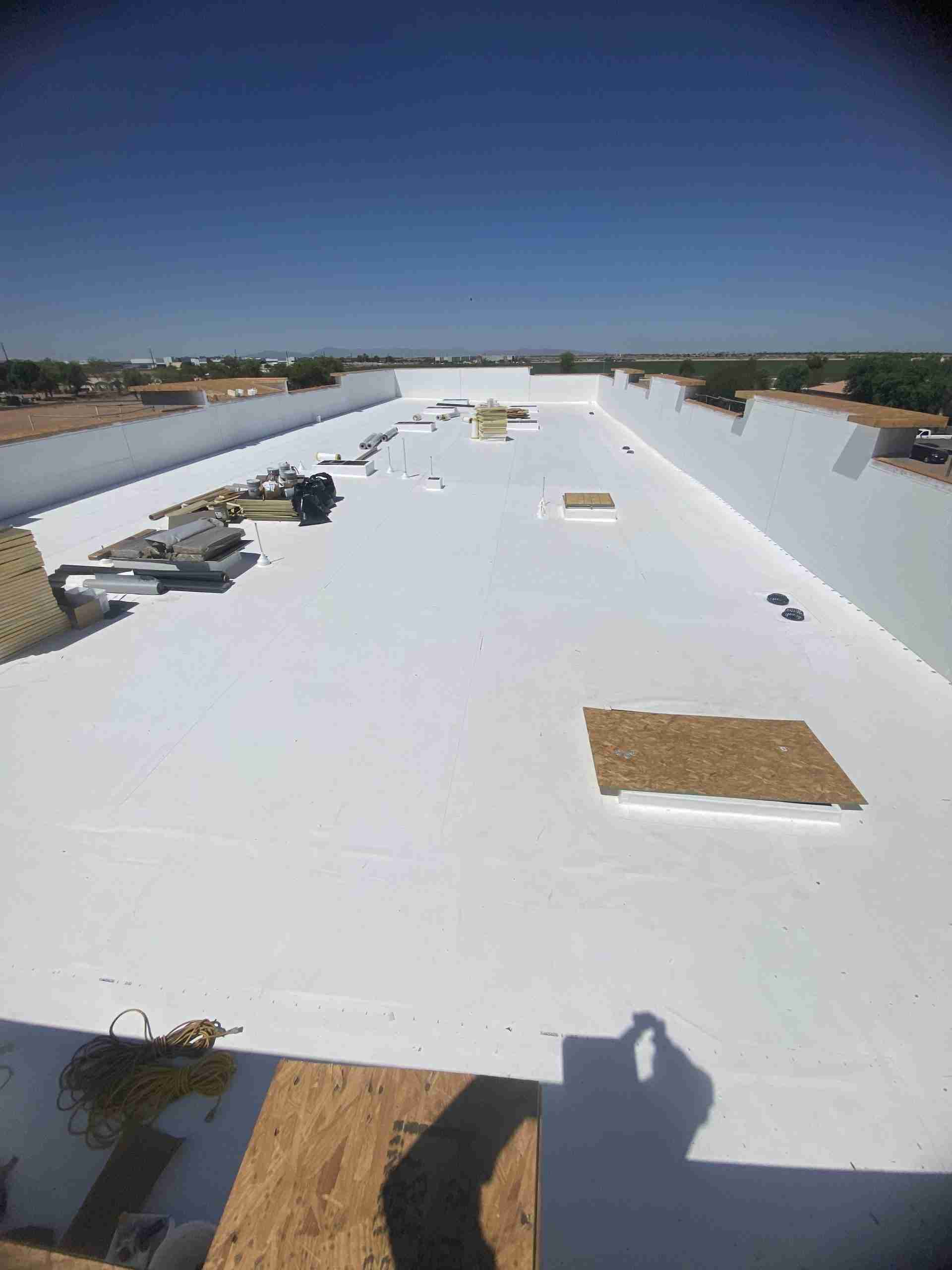
The slope of the roof will affect service life. A steeper slope roof will generally last longer than a lower-slope roof, since water will drain more quickly. The longer water remains on a roof, the greater the possibility of water intrusion. Flat roofs in particular require more careful installation, since water tends to drain slowly, and may even pond in areas. Unless the material is able to hold up under standing water, there is a significant risk of water damage.
A roof slope that faces the morning sun will typically hold up longer than the roof slope which faces the afternoon sun. Later in the day it is typically hotter, and this affects service life, since roofing materials break down faster when exposed to high temperatures.
Material Quality
Material quality installed will affect service life. Some manufacturers produce lower-quality products, which correspondingly have shorter service life. It is critical to ensure that the materials installed are quality products from reputable manufacturers. There is a reason some manufacturers have been in business for decades (or even centuries). “New” products are always a risk, since they haven’t been tested as yet over time. Something that performs well in a lab may not perform as well when exposed over time to heat and light on your roof.
Polyurethane foam requires periodic maintenance, including recoating, to extend its service life. The service life of other flat roof systems can typically be extended by application of coating systems when the system approaches the end of the initial service life. Quality coating products are critical to ensuring a cost-effective service life extension.
Installation Technique
Installation technique is a critical element in service life. An inexperienced or careless installer may leave underlayment’s exposed, penetrations incompletely sealed, or surface materials improperly installed. A professional will have received training and have the experiential knowledge to ensure proper material installation.
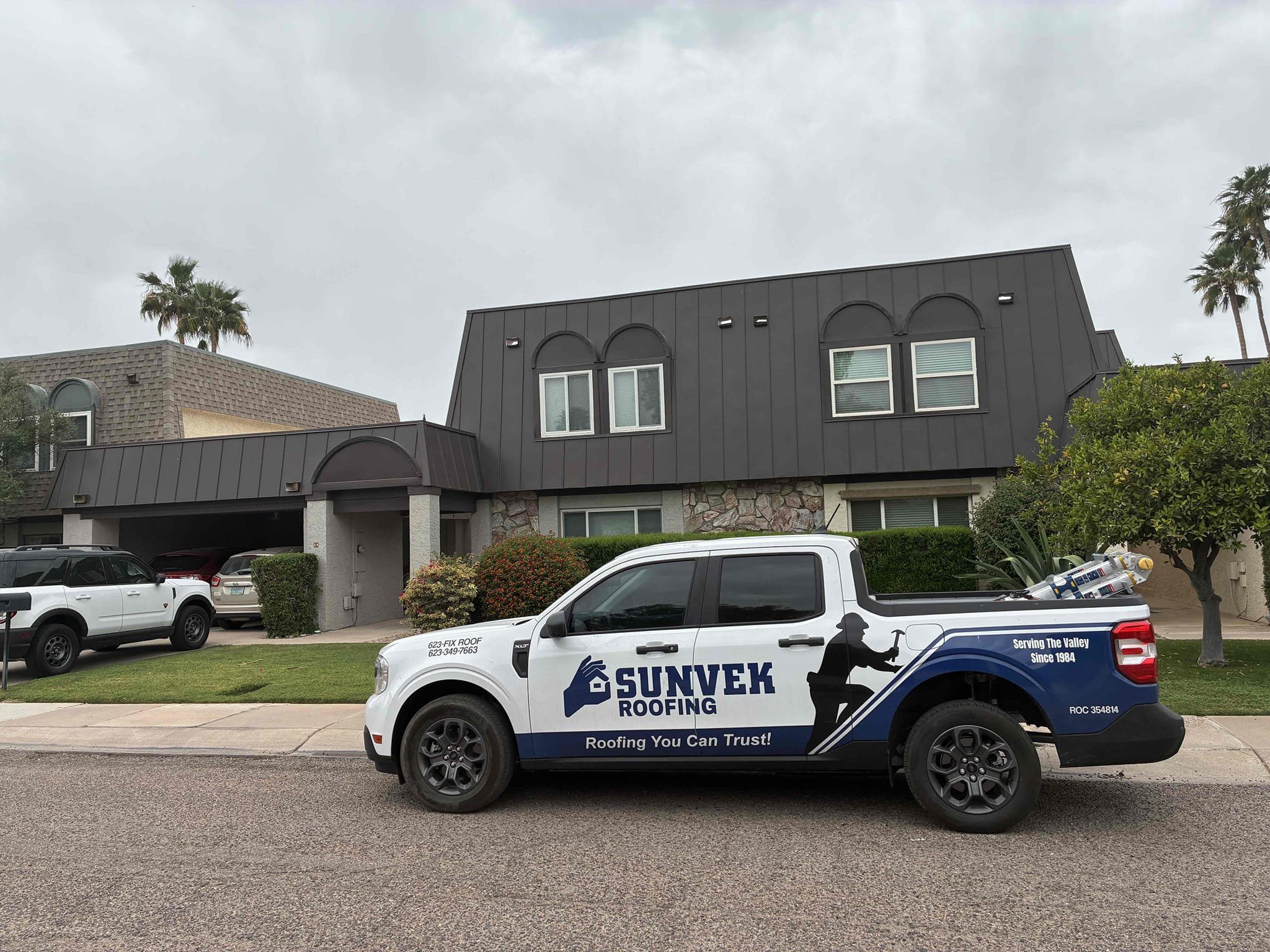
When considering your roof, we certainly hope you’ll look to SUNVEK for assistance. We’ve been providing roofing services to Arizona since 1984, and our professionals take pride in installing quality. A courtesy roof check and consultation is simply a phone call away. We can be reached at 623-Fix Roof (349-7663) or schedule a consultation online.