Common Roof Problems in Glendale, Arizona: What Homeowners Need to Know
Owning a home in Glendale, Arizona means enjoying the sunny weather, beautiful landscapes, and thriving community life. But it also means facing the challenges that come with living in a desert climate. The harsh sun, intense heat, seasonal monsoon storms, and temperature fluctuations all take a toll on residential roofing systems. As a result, homeowners in Glendale often encounter roof problems that, if left unchecked, can lead to costly repairs or even full roof replacements.
In this guide, we explore the most common roofing problems faced by Glendale residents, what causes them, how to spot early warning signs, and how to address them effectively. Whether you have a tile roof, shingles, or a flat foam system, this article is designed to help you protect your investment and keep your home safe and dry.

Understanding Glendale’s Desert Climate
Glendale experiences more than 290 sunny days per year and summer temperatures often climb well above 100°F. Add in the dust, high winds, and sudden downpours of monsoon season, and you have the perfect storm of conditions that can wear down even the most durable roofing materials.
The climate’s extremes accelerate roof aging, increase the risk of water intrusion, and cause materials to crack, fade, or separate. Understanding how local weather contributes to common roof problems is the first step in preventing them.
Cracked or Broken Roofing Materials
One of the most frequent issues Glendale homeowners face is cracked tiles or shingles. These materials become brittle over time due to constant UV exposure and thermal expansion. Concrete tiles may crack, while asphalt shingles can curl, blister, or break apart.
Even a single cracked tile can expose the underlayment to sun and water damage. Left unaddressed, this can lead to leaks and deterioration of the roof deck. Regular inspections, especially after the hottest months or following a storm, are key to catching this issue early.
Tile Slippage
In tile roofing systems, the tiles are typically secured to battens or directly to the underlayment. Over time, tiles may slip out of place due to aging fasteners, improper installation, or strong winds. A slipped tile not only exposes the waterproofing layer but can also let water and pests enter the roof system.
Repositioning and securing tiles is a relatively easy fix when done promptly. If ignored, it may necessitate replacing the underlayment or repairing interior damage.
Underlayment Deterioration
In Arizona, the tile itself can last for decades, but the underlayment—which acts as the primary water barrier—often fails much sooner. Intense heat causes traditional felt or synthetic underlayment to dry out, become brittle, and eventually tear or crack.
If your roof is more than 15–20 years old and has never had the underlayment replaced, it may be nearing the end of its life. A damaged underlayment is one of the most common causes of leaks in tile roofs and is best addressed before signs of water damage appear inside the home.
Flashing Failures
Roof flashing refers to metal strips or sheets installed around chimneys, vents, skylights, and valleys to direct water away from seams and joints. In Glendale, flashing can deteriorate due to rust, improper installation, or warping caused by heat.
When flashing pulls away or becomes damaged, it leaves vulnerable areas exposed to water infiltration. This is a leading cause of interior water stains and ceiling leaks. Inspecting flashing during annual roof checkups is essential for preventing major repairs.
Roof Coating Breakdown (Flat Roofs)
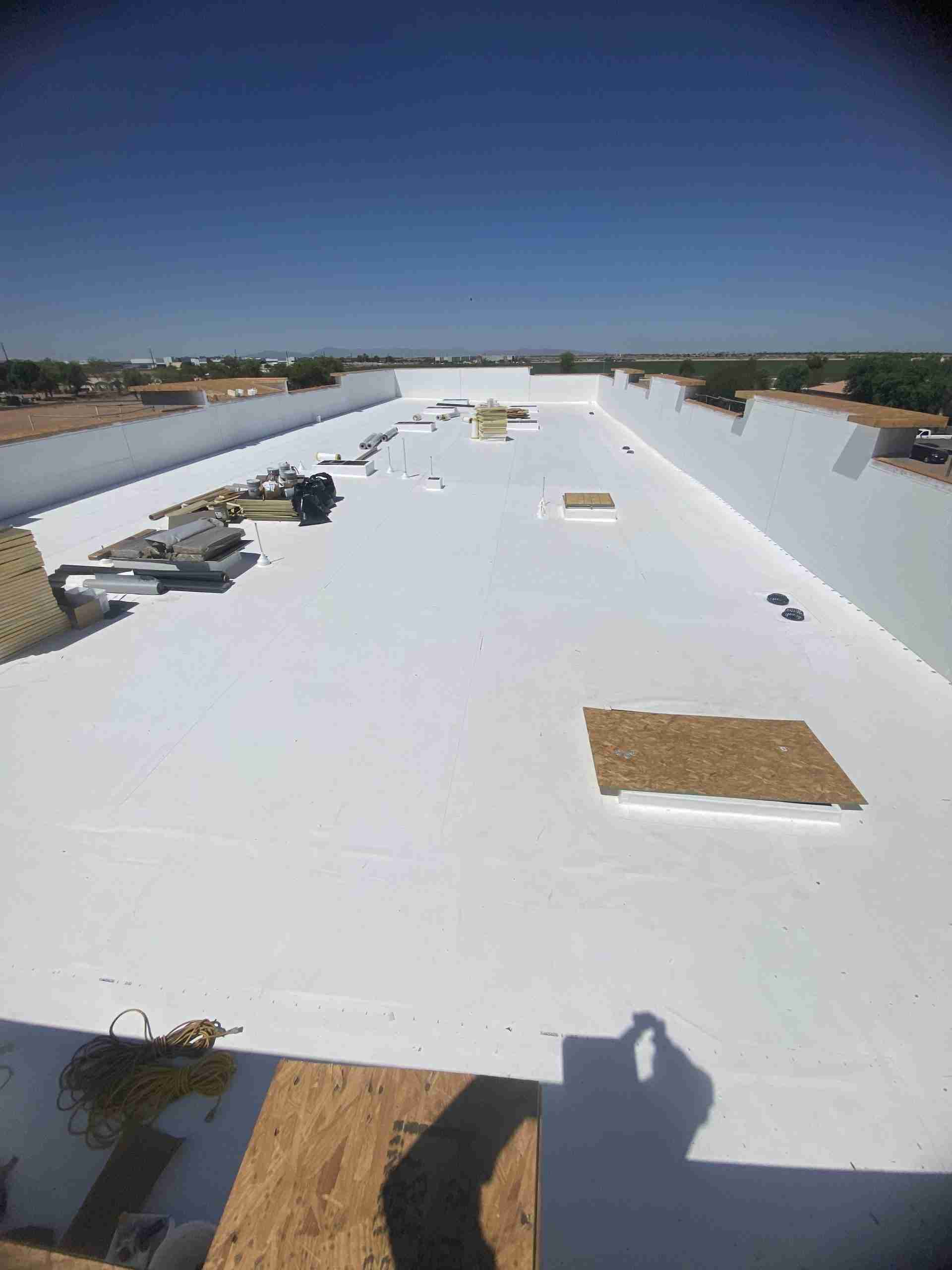
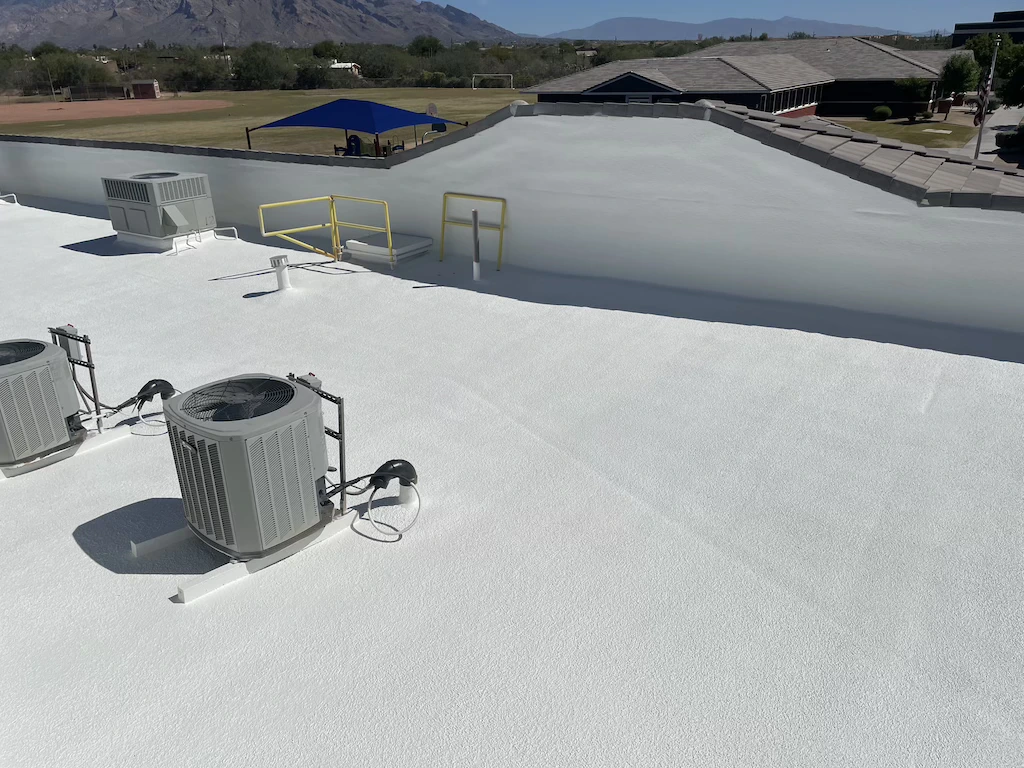
Many Glendale homes with flat or low-slope roofs use foam systems with an elastomeric or silicone coating. These coatings provide waterproofing and UV resistance but break down over time under intense sun. Cracking, chalking, and peeling of the coating allow water to penetrate the foam, leading to swelling or bubbling.
Routine re-coating every 5–8 years helps preserve the integrity of a foam roof. Delaying maintenance can shorten the roof’s lifespan significantly and lead to costly restoration or replacement.
Ponding Water
Flat roofs are especially vulnerable to ponding water, which occurs when water fails to drain and remains on the roof for more than 48 hours after a rainstorm. This problem is often caused by poor slope design, clogged scuppers, or sagging in the roof deck.
Ponding accelerates material degradation and can cause foam or membrane roofing to fail prematurely. Over time, it may also add weight that stresses the structure of the home. Regular cleaning and inspections are necessary to ensure proper drainage.
Debris Accumulation and Gutter Clogs
Glendale’s occasional high winds and dust storms bring debris that can accumulate in roof valleys, around skylights, and in gutters. Over time, this debris can block water flow, increase moisture retention, and attract pests.
Blocked gutters are especially problematic, as they can cause water to back up under roofing materials, damaging fascia boards and roof decking. Cleaning gutters at least twice per year, especially after monsoon season, is a best practice.
Sun Damage and Fading
Shingles and other roofing materials fade under constant UV exposure. In addition to cosmetic concerns, fading often indicates material weakening. Shingles that lose their protective granules are more susceptible to cracking and water intrusion.
Choosing UV-resistant roofing materials and applying protective coatings can help mitigate this issue. If your roof appears discolored or patchy, it may be time for an inspection.
Ventilation Problems
Improper attic ventilation leads to trapped heat and moisture, which accelerates the deterioration of roofing materials from below. In Glendale’s hot climate, attics can reach 150°F or more without adequate airflow.
Poor ventilation increases energy costs, contributes to mold growth, and may cause the roofing system to fail prematurely. A professional assessment can determine if ridge vents, soffit vents, or attic fans are needed to improve airflow.
Moss and Algae Growth
While less common in dry climates like Glendale, moss or algae can still develop in shaded or north-facing sections of the roof, especially if water accumulates there. This growth can retain moisture and degrade roofing materials.
Cleaning these areas and ensuring good drainage reduces the risk of moss and algae. It also improves the overall appearance and lifespan of the roof.
Storm Damage
During monsoon season, Glendale experiences strong winds, sudden rain, and occasional hail. These storms can rip off shingles, crack tiles, and displace flashing. Even minor storm damage can lead to significant issues if not addressed immediately.
After any major weather event, it’s a good idea to schedule a roof inspection to identify and repair any damage before it worsens.
Animal and Pest Intrusions
Birds, rodents, and insects sometimes find entry points in damaged areas of the roof. Nests in gutters, under tiles, or inside attic vents can lead to clogs, moisture buildup, or chewed wiring.
Sealing roof penetrations and repairing weak points help prevent pest problems. Trim trees away from your roof to reduce animal access.
How to Prevent Common Roof Problems in Glendale
Routine maintenance is the key to preventing most roofing issues. Homeowners should schedule a professional roof inspection at least once per year, ideally before and after the monsoon season. Clearing debris, checking for damage, and performing minor repairs proactively can save thousands in long-term costs.
In addition, hiring a licensed, insured, and experienced roofing contractor is essential. DIY fixes or hiring unqualified labor can result in improper installations that lead to bigger issues down the road.
When to Call a Roofing Professional in Glendale
If you notice signs such as ceiling stains, water leaks, sagging areas, or missing roofing materials, don’t delay. The earlier a problem is diagnosed, the easier and more affordable it is to fix.
SUNVEK Roofing has been serving Glendale and the greater Phoenix area for over 40 years. Our team is experienced in tile, shingle, foam, and flat roof systems. We offer honest evaluations, professional repairs, and preventative maintenance tailored to Arizona’s climate.