10 Must-Know Facts About Tile Roofing in Phoenix, AZ
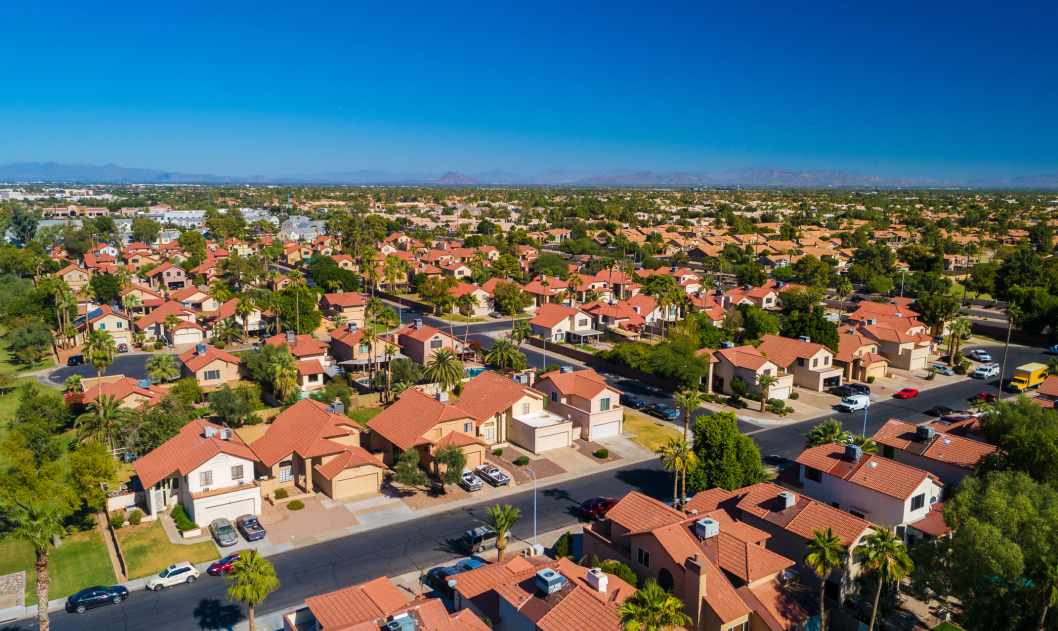
If you’re considering a new roof for your home or commercial property in Phoenix, Arizona, there’s a good chance you’ve seen and admired the enduring beauty of tile roofing. In fact, tile roofs are among the most common and trusted roofing systems in the Valley, prized not just for their classic desert aesthetics, but also for their ability to withstand Arizona’s uniquely harsh conditions. At SUNVEK, we have more than four decades of experience installing, repairing, and maintaining tile roofs throughout Phoenix and the surrounding areas. In this comprehensive guide, we reveal 10 critical facts every property owner should know about tile roofing in Phoenix—from heat resistance and longevity to design flexibility and environmental benefits. Whether you’re building a new home, upgrading your commercial property, or simply looking to better understand your options, this article covers everything you need to make an informed decision for your next roofing project.

1. Tile Roofing Excels in Extreme Desert Heat
Phoenix is well-known for its intense, record-breaking summer temperatures. Daytime highs regularly soar above 110°F, and the relentless sun can take a toll on many types of roofing materials. However, tile roofing stands out as one of the best performers in hot climates. Both clay and concrete tiles have natural thermal mass and reflectivity, which means they absorb and dissipate heat more slowly than materials like asphalt shingles or metal. This unique property helps prevent the roof from radiating excessive heat into your living spaces.
What does this mean for Phoenix property owners? First, it translates to improved energy efficiency. When your roof is less prone to overheating, your attic and the rest of your home remain cooler, reducing the workload for your air conditioning system. Over time, these energy savings can add up to significantly lower utility bills—a huge advantage given the length of the Arizona cooling season. Additionally, because tile doesn’t warp or degrade under UV exposure, it maintains its appearance and performance over decades, unlike some materials that fade or crack within a few years.
At SUNVEK, we’ve seen many Phoenix homeowners report noticeably improved comfort levels after switching to tile, especially during the hottest months. The ability of tile roofs to provide a thermal barrier is not just a marketing promise; it’s a benefit that’s proven through years of real-world experience in Arizona’s most unforgiving climate.
2. Longevity That Outperforms Most Roof Types
Longevity is one of the most compelling reasons Phoenix homeowners and commercial property managers choose tile roofing. While asphalt shingle roofs might last 15 to 20 years under optimal conditions, and even metal roofs may need replacement after 30 to 40 years, a well-installed tile roof can last 50 years or more. In some cases, tile roofs in Arizona have been known to remain fully functional for 70 years or longer.
The key to this longevity lies not just in the tiles themselves, but also in the quality of installation and the materials used for the roof underlayment. At SUNVEK, we use premium underlayment products designed to withstand both heat and occasional moisture intrusion. We also pay special attention to proper flashing and edge details, which are essential for extending roof life. While the tiles provide the first layer of defense, the underlayment acts as a waterproof membrane—protecting your property from leaks during the rare but intense monsoon storms Phoenix experiences each year.
For property owners, the long lifespan of tile roofing means fewer replacements over the lifetime of your building. This translates to a lower total cost of ownership, less disruption for residents or tenants, and greater peace of mind. Investing in a tile roof is an investment in the future stability and value of your property.
3. Superior Fire Resistance for Peace of Mind
Arizona’s arid climate makes wildfire risk a year-round concern, especially as urban areas expand into the desert. One of the major advantages of tile roofing is its inherent fire resistance. Clay and concrete tiles are non-combustible, and when properly installed, they provide a formidable barrier against wind-blown embers and radiant heat from nearby fires.
Unlike wood shake or even some older asphalt shingle roofs, tile roofs do not ignite, burn, or contribute to the spread of fire. For this reason, they’re often required by building codes in areas designated as high fire risk. Even if you’re not living in a designated fire zone, the safety benefits are substantial. Tile roofs also resist damage from lightning strikes and will not melt or deform under the Arizona sun.
There’s also a pest-resistance benefit: tile does not attract termites, carpenter ants, or other wood-destroying insects. Nor does it rot, warp, or suffer from mold and mildew—common problems with less durable roofing materials in regions that experience moisture. In Phoenix, where many older homes may still have wooden components, upgrading to a tile roof can be an excellent way to add an extra layer of protection for both your structure and your investment.
4. Outstanding Performance During Monsoon Season
While Phoenix is famous for dry heat, it also faces intense storms during the summer monsoon season. These storms can bring heavy rains, high winds, and even hail—all in a matter of minutes. A quality tile roof, installed by experts like SUNVEK, is engineered to withstand the worst that monsoon season can throw at it.
Tiles are designed to interlock, forming a continuous, overlapping shield that sheds water efficiently. Even during torrential downpours, water runs off quickly, reducing the risk of ponding or infiltration. Beneath the tiles, the underlayment acts as a critical second barrier against water. Modern synthetic underlayments last much longer and perform far better in Arizona’s climate than traditional felt paper, offering property owners another level of security.
Wind-driven rain and flying debris are also less of a problem for tile roofs, thanks to their weight and secure installation. While it’s possible for individual tiles to crack or slip during an extreme weather event, these can be easily repaired or replaced without the need for a full roof replacement. Regular inspections, especially after monsoon storms, help keep tile roofs in top condition year after year.
5. Incredible Variety of Colors and Styles
One of the most attractive features of tile roofing is its wide range of colors, shapes, and textures. Tile roofing is anything but generic—in fact, it’s one of the most versatile roofing materials available. Whether your property is styled as Southwestern, Mediterranean, Spanish Revival, or even contemporary, there’s a tile option to complement and enhance its look.
Clay tiles, known for their iconic terra cotta red and warm earth tones, are perfect for evoking classic desert and mission-style architecture. Concrete tiles, on the other hand, can be manufactured in almost any color—from deep browns and slate greys to cool blues and greens—allowing for even more customization. Profiles also vary, from the distinctive “S” curve of Spanish tiles to flat shake-style and barrel tiles that mimic old-world European elegance.
This diversity gives property owners enormous flexibility in achieving their design goals while still enjoying the functional benefits of tile roofing. Furthermore, tile color does not fade easily because pigment is baked into the tile during manufacturing, ensuring decades of rich, vibrant color that stands up to the Arizona sun. At SUNVEK, our experts work closely with homeowners, HOAs, and commercial clients to select the perfect style, profile, and color to maximize both performance and curb appeal.
6. Tile Roofs Are Heavier—But Stronger
One of the few limitations of tile roofing is its weight. Clay and concrete tiles are significantly heavier than asphalt shingles, metal, or wood shakes. A typical tile roof can weigh anywhere from 600 to 1,000 pounds per square (100 square feet), while asphalt shingles are closer to 200-300 pounds per square.
This additional weight is actually an advantage in many ways: it makes tile roofs more stable during high winds and less likely to be damaged by hail. However, it does require that the underlying structure is engineered to handle the load. Most homes and commercial buildings constructed in Phoenix in the last several decades are built with tile in mind. If you’re replacing a lighter roof with tile on an older structure, you may need to reinforce the roof deck or rafters before installation. At SUNVEK, we always conduct a full structural assessment before any major roofing upgrade to ensure both safety and compliance with local building codes.
Once installed, a tile roof is incredibly resilient. It stands up not only to wind and hail but also to the long-term stresses of thermal expansion and contraction that are so common in desert environments. The extra investment in structural preparation pays dividends in the form of greater roof stability, durability, and long-term value.
7. Maintenance Focuses on Underlayment and Broken Tiles
Tile roofs are often touted as “low maintenance,” but this doesn’t mean “no maintenance.” While the tiles themselves are highly durable, the underlayment—the waterproof membrane beneath the tiles—is typically the most vulnerable part of the system. In Arizona, the best synthetic underlayments can last 20 to 30 years, but exposure to intense heat, UV rays, and occasional water intrusion means even the best products will eventually need replacement.
Routine maintenance is the best way to maximize your roof’s lifespan and performance. This includes inspecting the roof for cracked, broken, or slipped tiles (which can expose the underlayment), checking flashings around chimneys, skylights, and valleys, and clearing debris from roof surfaces and gutters. SUNVEK offers proactive maintenance plans designed for Arizona properties, including scheduled inspections and prompt repairs to catch and correct minor issues before they become costly problems.
If you inherit a tile roof when buying a home, or if you’re unsure of its age, it’s wise to schedule a professional inspection. Small issues, if left unaddressed, can lead to underlayment damage and leaks—so regular care is essential for preserving both your roof and your home’s interior.
8. Eco-Friendly and Energy Efficient
As sustainability becomes more important to homeowners and commercial property managers, tile roofing stands out as an environmentally responsible choice. Both clay and concrete tiles are made from abundant, natural materials and require less energy to manufacture than some other roofing products. Additionally, they are fully recyclable at the end of their lifespan, reducing landfill waste.
Tile roofing also contributes to energy efficiency in several ways. The natural thermal mass of tiles helps to moderate indoor temperatures, reducing reliance on air conditioning in the summer and heating in the winter. The air space between tiles and the roof deck allows for additional ventilation, which helps prevent heat buildup in attics and can extend the life of HVAC systems.
In Phoenix’s climate, every little bit of energy savings counts. Many property owners who switch to tile roofing find that their energy bills decrease noticeably, especially when combined with high-quality insulation and efficient attic ventilation. Environmentally, tile roofs are a responsible long-term investment for anyone seeking to reduce their carbon footprint while maximizing property value.
9. Tile Roofing Boosts Property Value
There’s no question that a tile roof is seen as a premium feature in the Phoenix real estate market. When prospective buyers see a well-maintained tile roof, they associate it with quality construction, long-term durability, and lower maintenance costs. For sellers, this can mean a faster sale and a higher selling price.
It’s not just about aesthetics; buyers in Phoenix understand the practical advantages of tile roofing, from better performance in heat and storms to improved energy efficiency. A new or recently restored tile roof can add tens of thousands of dollars to a home’s market value, especially in neighborhoods where tile is the expected standard.
For commercial properties, tile roofing is an attractive selling point for tenants and buyers alike. The combination of beauty, strength, and long-term cost savings makes tile roofs a powerful asset in the competitive Phoenix market.
10. Tile Roofing Requires Experienced Installation and Repair
All the benefits of tile roofing—longevity, weather resistance, energy efficiency—depend on proper installation. Unlike some other roofing types, tile roofing is not a good DIY project and should always be entrusted to licensed, experienced professionals with deep knowledge of Arizona building codes and climate considerations.
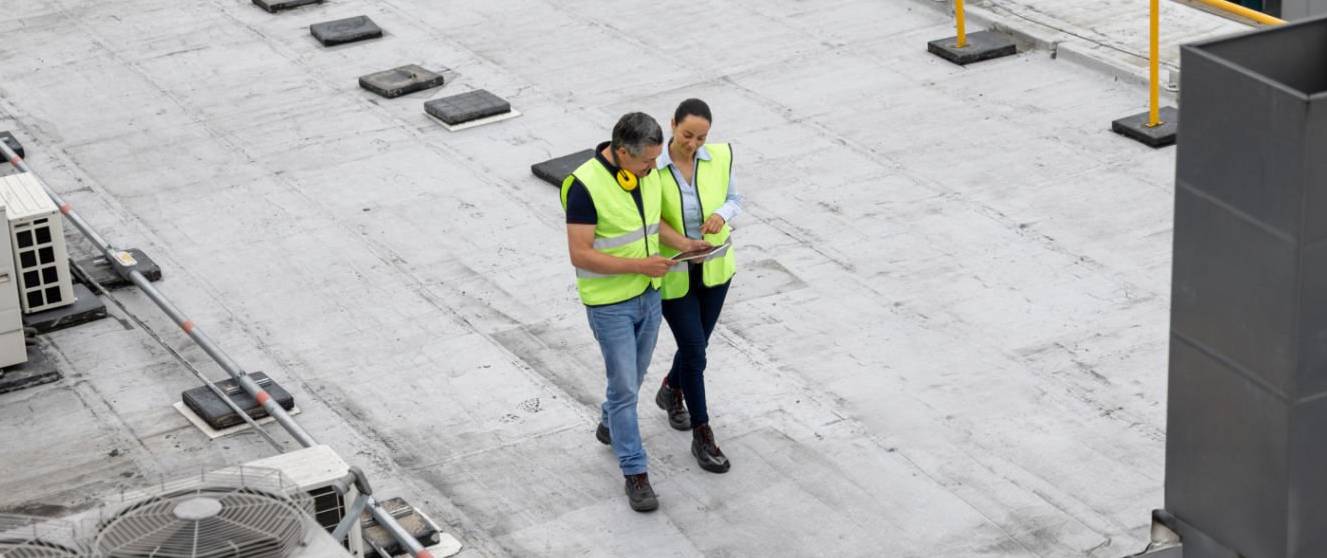
At SUNVEK, our installers are highly trained and up-to-date on the latest installation techniques, safety practices, and local regulations. We use advanced technology like drone inspections to assess roofs and identify problem areas, and we take a solution-driven approach to every project, large or small. We also offer custom estimates, budget forecasting, and asset management plans for property managers and business owners looking to maximize the value and lifespan of their investment.
When repairs are needed—whether for storm damage, broken tiles, or leaks—speed and expertise are critical. Our team responds quickly to ensure that minor issues don’t turn into major headaches, and we provide honest, thorough evaluations and recommendations at every step. This is why property owners across Phoenix and the greater Valley continue to trust SUNVEK for all their tile roofing needs.
Ready to Upgrade Your Roof?
If you’re ready to experience the benefits of tile roofing for your Phoenix home or business, or if you want a professional assessment of your current roof, SUNVEK is here to help. Our commitment to quality, integrity, and customer satisfaction has made us the Valley’s go-to choice for commercial and residential roofing for more than 40 years. Let us show you why a tile roof is the smartest investment you can make for your property in Arizona’s unique environment.